
Ghanas Inspiring History Unveiled
Discover Ghanas rich history, from ancient kingdoms to modern democracy, through vibrant festivals, stunning…
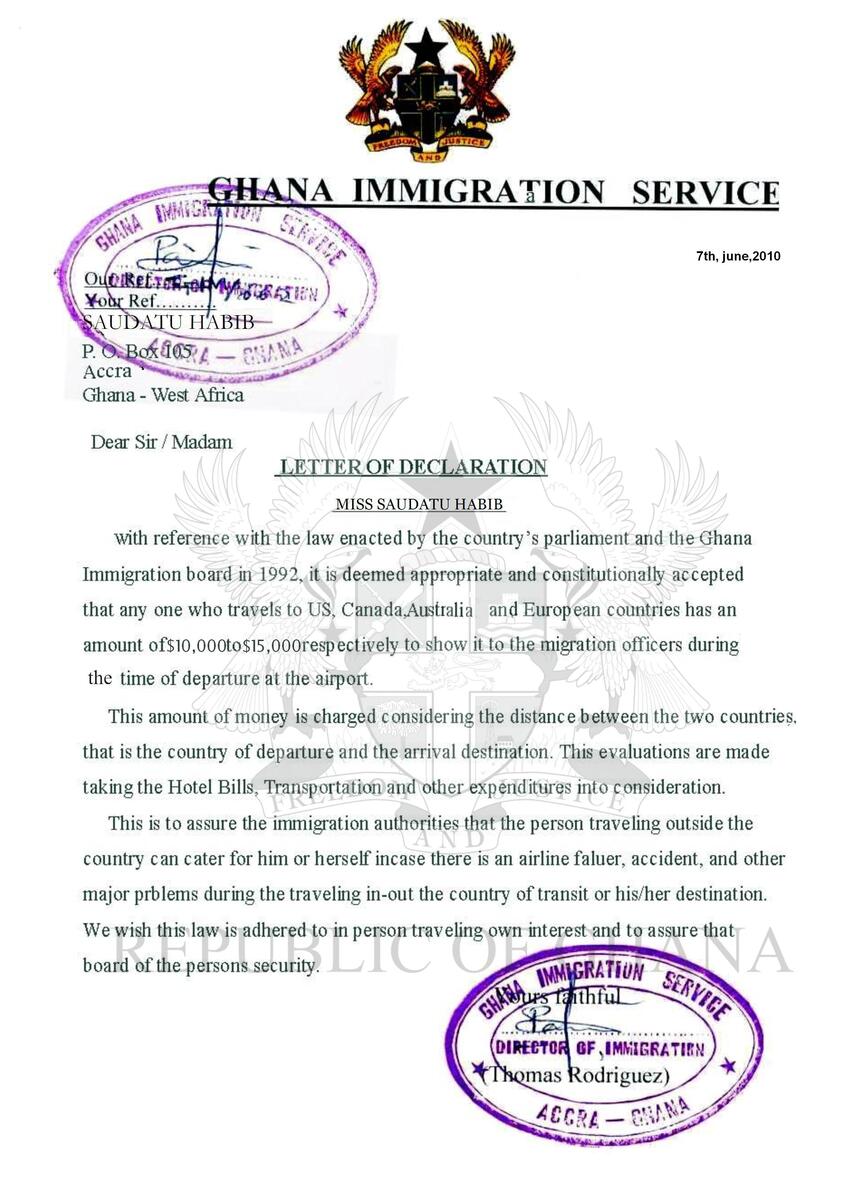
Concise takeaway: Most Ghana‑origin scams follow predictable patterns — emotional manipulation, fake business opportunities, gold‑related stories, and pressure for money. This checklist helps you spot them early.
Stolen Photos — Profile pictures look like models, soldiers, or influencers; reverse image search reveals duplicates.
Inconsistent Background — Claimed profession doesn’t match grammar, lifestyle, or communication style.
Avoiding Video Calls — Always “busy,” “no network,” or “camera broken.”
Fast Emotional Attachment — Love or deep feelings expressed within days.
Scripted Messages — Repetitive phrases, generic compliments, or copied text.
Urgent Problems — Sudden emergencies requiring money.
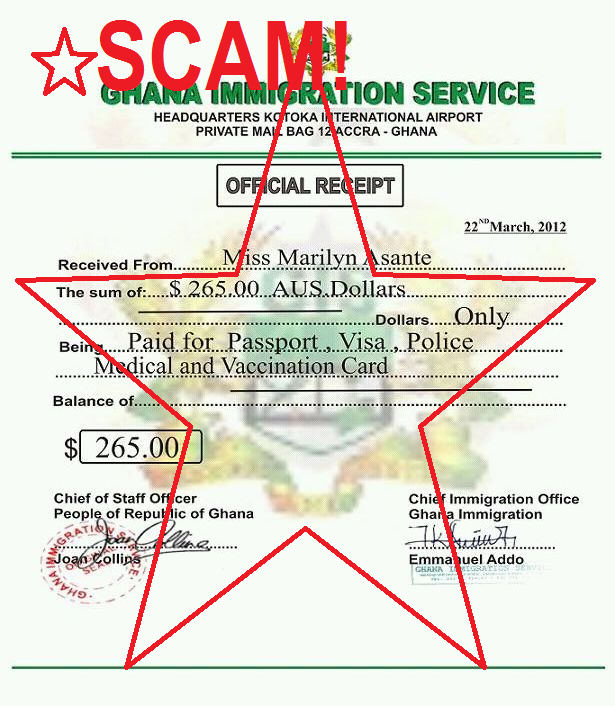
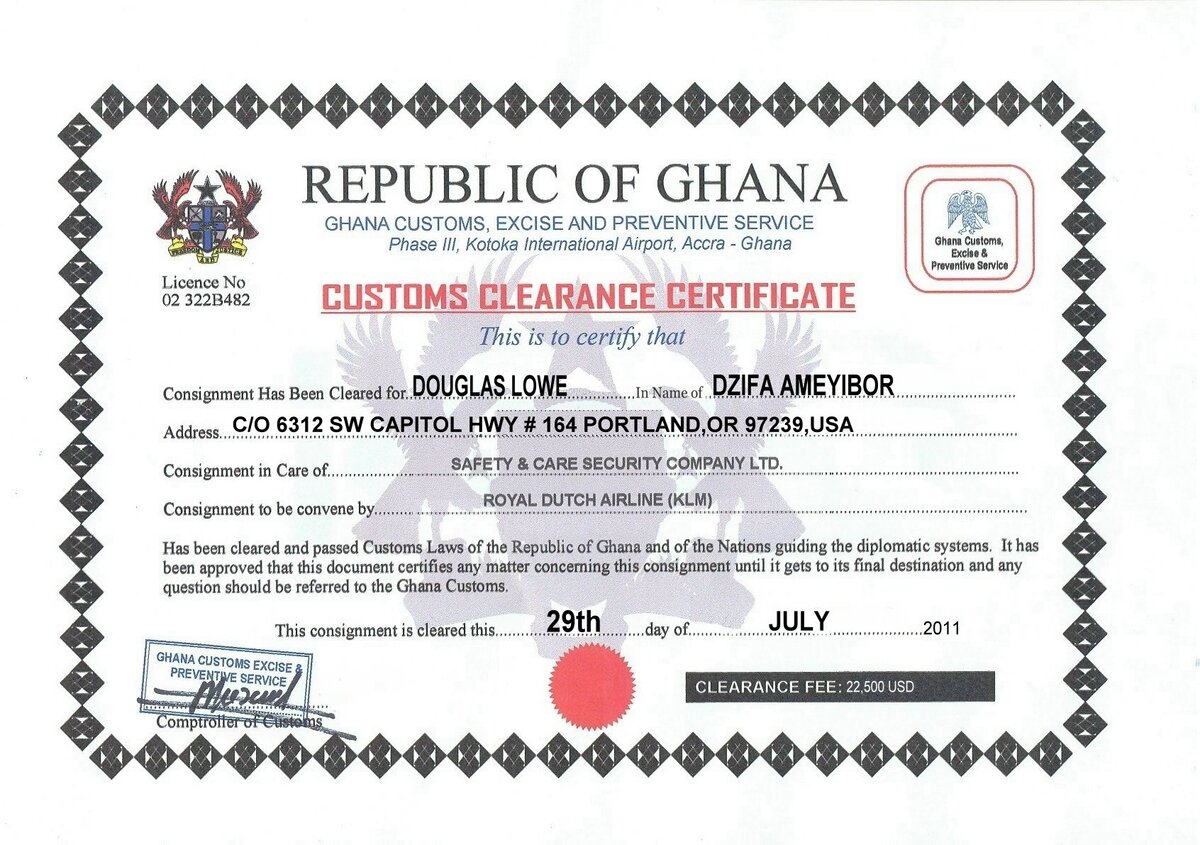
Requests for Money — For visas, travel, medical bills, customs fees, or “business issues.”
Gift Shipping Scams — Claims they sent you a package stuck at customs.
Gold‑Related Stories — Inheritance gold, cheap gold deals, or needing help exporting gold.
Stuck in Ghana — They need money to leave the country.
Fake Companies — “Mining firms,” “refineries,” or “courier companies” that don’t exist.
Why we need a donation: Transportation costs to the Accra Police Headquarters and expenses for receiving important documents. These costs are approximately covered with $65.
$65 Dollars will cover just about, a basic background check and transportation costs, plus possible documentation.(Within 48 hours, your receive an update!)
Important Note:
Do not continue sending any money to your "friend", "girlfriend" etc. Do not tell them that, you are in contact with us!
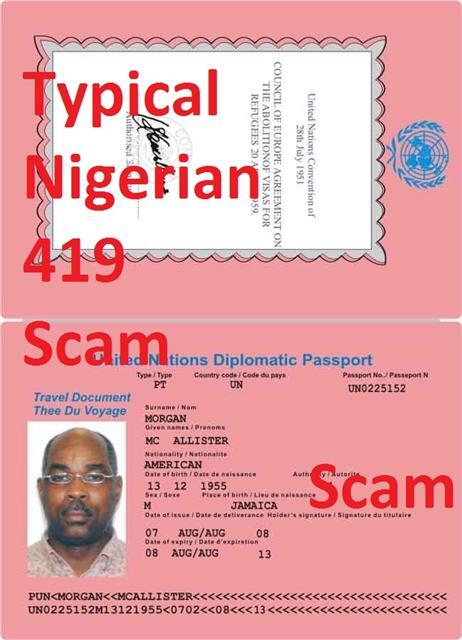
Fake IDs — Poor quality scans, mismatched names, or altered images.
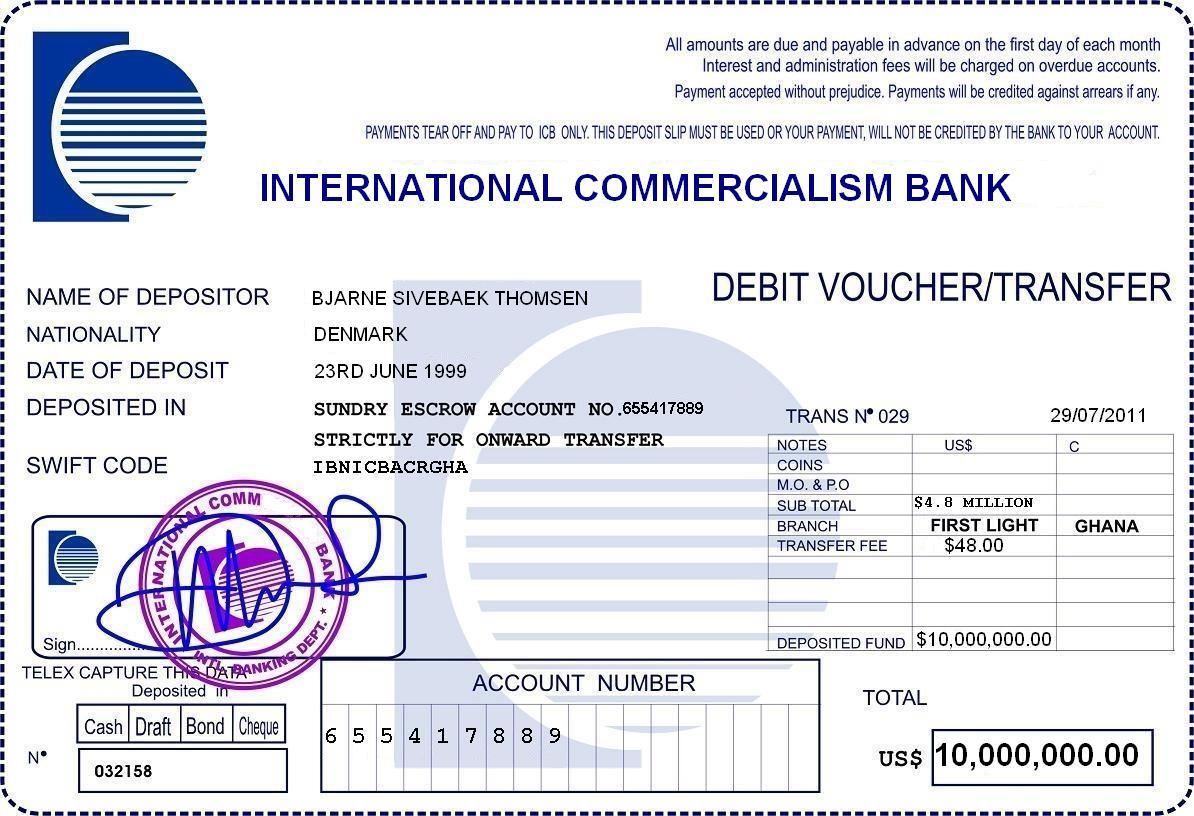
Forged Gold Certificates — Counterfeit documents from supposed refineries or the Ghana Gold Board.
Pressure Tactics — Emotional manipulation, guilt, or threats of losing contact.
Multiple Personas — They switch names, numbers, or stories when challenged.
If someone online mentions gold, inheritance, mining, or customs fees in Ghana, assume it is a scam until proven otherwise.
Concise takeaway: Ghana’s gold‑fraud networks have expanded dramatically, blending romance scams, business‑trust scams, and fake mining deals. They target foreigners with increasingly sophisticated tactics.
Ghana is Africa’s second‑largest gold producer, which creates a perfect environment for criminals posing as legitimate dealers. Between 2024 and 2026, Ghanaian authorities and INTERPOL reported a sharp rise in gold‑related fraud, including:
fake gold bars
staged refinery visits
forged export documents
illegal mining operations
cross‑border smuggling rings
These scams often involve organized groups, not lone individuals.
Criminals present counterfeit gold bars or gold‑plated tungsten. Victims are shown “samples” that pass basic tests, then tricked into buying large quantities.
Scammers rent office space and stage a fake “refinery.” Victims witness a fake assay test, then pay for gold that never arrives.
Victims are told gold is ready for export but “stuck” due to:
customs fees
insurance
security clearance
government taxes
All fees are fake.
Often tied to romance scams. The scammer claims:
they inherited gold
they need help exporting it
they want to share profits
This is one of the most common Ghana‑origin frauds.
Scammers pose as:
mining executives
licensed dealers
intermediaries
brokers
They use forged documents from:
Ghana Gold Board
Precious Minerals Marketing Company (PMMC)
Customs Division
Ministry of Lands and Natural Resources
A foreign investor was invited to Ghana to purchase gold. During the meeting, armed men staged a “police raid” and stole the cash. Investigators later found the raid was orchestrated by the scammers.
Victims were shown real gold at a rented office. After payment, they received counterfeit bars. Several suspects fled the country.
Ghana Gold Board and National Security seized:
gold bars
cash
smelting equipment
forged documents
The group included both Ghanaian and foreign nationals.
Teams of 5–20 people working from apartments or small offices.
Use of burner phones, SIM cards, and fake passports.
Collaboration with money mules in Europe, UAE, and Asia.
Use of romance scams to build trust before introducing gold deals.
Fake “courier companies” to handle supposed shipments.
Lack of familiarity with Ghana’s gold regulations.
Belief that gold is cheap in Africa.
Desire for high‑profit investment opportunities.
Emotional manipulation through romance scams.
Verify dealers through the Ghana Gold Board.
Never pay customs or export fees upfront.
Avoid traveling to Ghana for gold deals without official verification.
Use independent legal counsel in Ghana.
Treat any gold‑related story from an online contact as a scam.
Gold fraud in Ghana is highly organized, rapidly evolving, and extremely dangerous. Victims lose tens or hundreds of thousands of dollars — often after months of emotional manipulation.
Awareness is your strongest defense.
Email: We respond within 48 hours.
WhatsApp: We respond within 12 hours