
Ghanas Inspiring History Unveiled
Discover Ghanas rich history, from ancient kingdoms to modern democracy, through vibrant festivals, stunning…
Updated and Expanded Advisory: Online Dating Scams and Gold Fraud Emerging from Ghana
and West Africa.
Recent investigations and law‑enforcement crackdowns
show that romance scams and gold‑related fraud originating from Ghana have surged sharply, Becoming more organized, more sophisticated,
and more financially damaging than in previous years.
The original warning about online dating scams in West Africa remains valid — but new evidence from 2024–2026 shows a major rise in gold scams, fake mining deals, and cross‑border fraud rings operating out of Ghana, often intertwined with romance scams or business‑trust scams. These networks target foreigners, especially Europeans, Americans, and Middle Eastern investors.
Below is a fully rewritten and expanded version of your article, incorporating the latest verified findings.
If you are communicating online with someone who claims to be in Ghana, Nigeria, or elsewhere in West Africa, you must exercise extreme caution. Recent international operations — including INTERPOL’s Operation Contender 3.0 — confirm that Ghana has become a major hotspot for both romance scams and gold‑related fraud, with dozens of organized groups targeting victims worldwide.
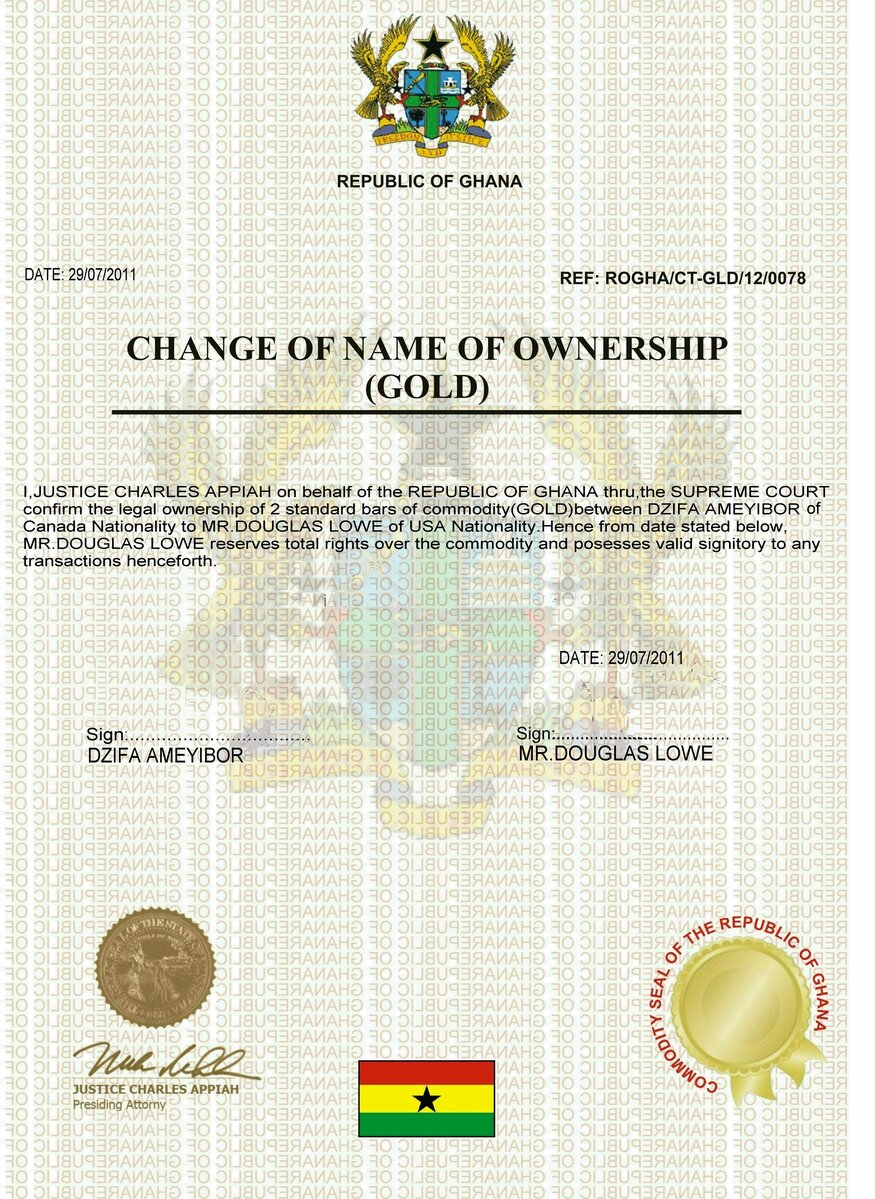
Gold fraud has become one of Ghana’s fastest‑growing criminal enterprises. Scammers pose as licensed gold dealers, mining executives, or intermediaries. They lure victims with promises of cheap gold, investment opportunities, or export deals — often supported by fake documents, staged testing sessions, and counterfeit gold bars.
$450,000 gold robbery scam (2025) A foreign businessman was tricked into bringing cash for a gold purchase. Armed men — allegedly hired by the scammers — stole the money during a staged “security operation.”
$650,000 fake gold bar scam (2024–2025) Victims were shown “real” gold at a refinery, transferred funds, and later discovered the bars were fake. Multiple suspects remain at large.
25 suspects arrested for illegal gold trading and smuggling (2025) Ghana Gold Board and National Security seized gold bars, cash, and equipment from illegal operations involving both Ghanaian and foreign nationals.
These cases show a clear pattern: criminal groups in Ghana are expanding from online romance scams into high‑value gold fraud, often targeting foreigners who believe they are entering legitimate business deals.
Below link leads you to Web Archive Org, which recorded our Support Website since 2012! (new window)
Why we need a donation: Transportation costs to the Accra Police Headquarters and expenses for receiving important documents. These costs are approximately covered with $65.
$65 Dollars will cover just about, a basic background check and transportation costs, plus possible documentation.(Within 48 hours, your receive an update!)
Important Note:
Do not continue sending any money to your "friend", "girlfriend" etc. Do not tell them that, you are in contact with us!
INTERPOL reports that Ghana was one of the top countries involved in romance and sextortion scams, with 68 arrests and over 835 devices seized in 2025 alone. Losses exceeded $450,000, with only a fraction recovered.
Fake profiles using stolen photos (models, soldiers, doctors, engineers).
Rapid declarations of love or emotional attachment.
Avoiding video calls or meetings.
Requests for money for:
visas or travel
medical emergencies
customs fees
“courier charges” for gifts
business problems
Claims of being “stuck in Ghana” and needing help.
These scams often overlap with gold fraud: scammers may claim they inherited gold, need help exporting it, or want to “invest together.”
Photos that look too professional or appear elsewhere online.
Inconsistent grammar for their claimed profession.
Pressure to send money for emergencies or business deals.
Stories involving gold, mining, export permits, or customs fees.
Refusal to verify identity through video calls or official documents.
Requests to meet in Ghana for a “business opportunity.”
Every one of these signs is strongly associated with known scam patterns documented by INTERPOL and Ghanaian authorities.
Investigations show that many scams are not isolated individuals but organized rings operating from:
internet cafés
rented apartments
small offices posing as gold companies
fake refineries
social media “teams” managing dozens of profiles
These groups use:
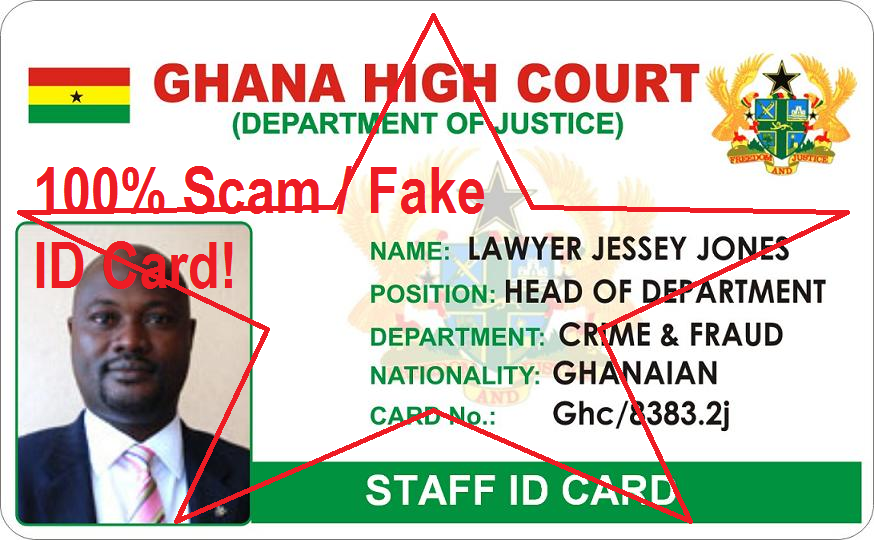
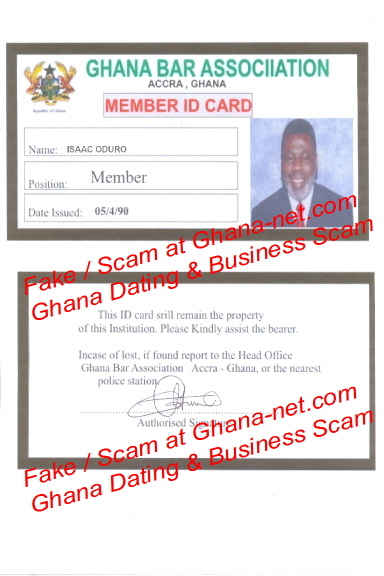
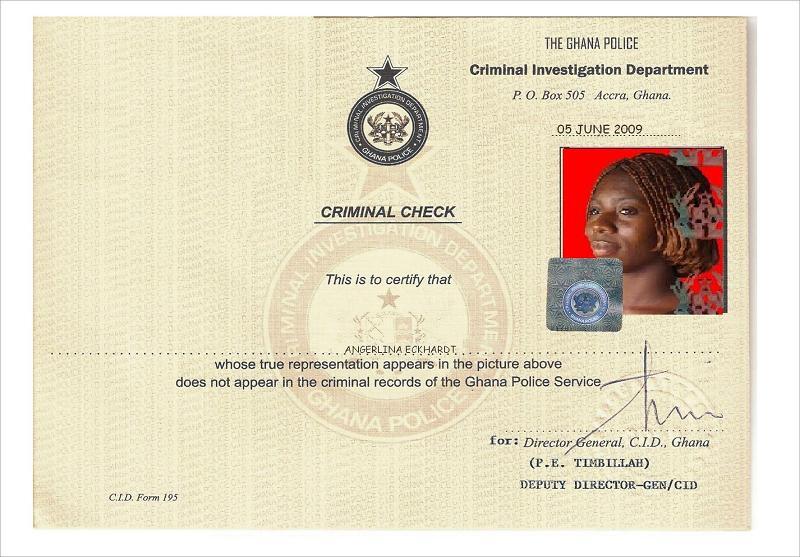
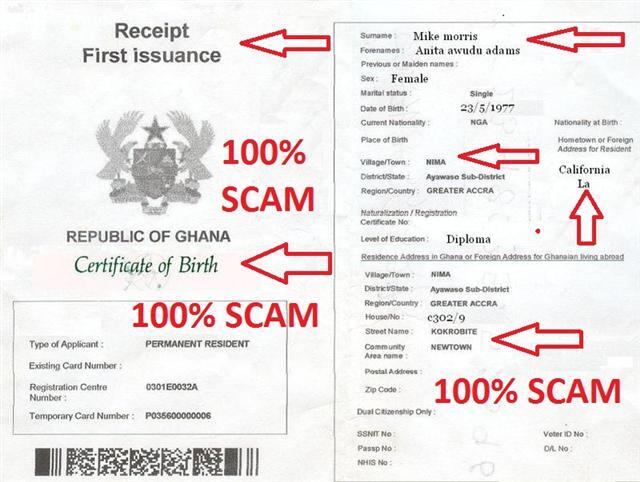
forged IDs
counterfeit gold bars
fake mining licenses
stolen photos
SIM cards and burner phones
money‑mule accounts
International cooperation has dismantled 81 cybercrime infrastructures across Africa, with Ghana being a major hub.
Never send money to someone you haven’t met in person.
Do reverse image searches on their photos.
Verify gold dealers through Ghana Gold Board (GGB) — most scammers use fake licenses.
Avoid sharing personal or financial information.
Trust your instincts — emotional manipulation is a core tactic.
Report suspicious behavior to dating platforms, fraud watchdogs, or local police.
If gold is mentioned at any point, assume it is a scam unless verified through official channels.
Scammers rely on secrecy, emotional manipulation, and your lack of awareness. Share this information with friends, family, and anyone who may be vulnerable — especially those communicating with strangers online who claim to be in Ghana.
Staying informed can protect you from financial loss, emotional harm, and potentially dangerous travel situations.
Email: We respond within 48 hours.
WhatsApp: We respond within 12 hours