Perched along the beautiful Central Coast of Ghana, Fort Good Hope, also known as Senya Castle, is a fascinating historical site that captures the story of European trade, colonial ambition, and local resilience. The fort, though smaller than some of Ghana’s more famous castles, played an important role in the region’s trans-Atlantic trade and coastal defense.
Fort Good Hope was constructed by the Dutch in the 17th century to protect their trading interests along the Central Coast of the Gold Coast. The fort served as a trading post and military outpost, enabling the Dutch to oversee commerce in gold, ivory, and enslaved Africans.
Its strategic location near Senya Beraku allowed control over coastal trade routes and access to local communities, establishing Dutch dominance in a competitive environment that included the Portuguese, English, and later the Danes.
Though smaller than major forts like Elmina or Cape Coast Castle, Fort Good Hope boasts classic European fort design adapted for West Africa:
Thick stone and coral walls for protection against rival Europeans and local uprisings
Watchtowers and bastions offering views of the Atlantic Ocean
Interior chambers for soldiers, traders, and storage of goods
Cannons and defensive positions to safeguard the fort and trade operations
Today, the fort stands as a partially preserved site, allowing visitors to imagine life during the height of Dutch colonial activity.
Fort Good Hope is historically important for several reasons:
Trade Hub: It was a key site for the export of gold, ivory, and enslaved Africans during the Dutch colonial period.
Military Outpost: The fort provided strategic defense against rival European powers competing along the Central Coast.
Cultural Interaction: It was a site of negotiation and alliances with local communities, especially the Fante people, who controlled coastal trade routes.
The fort also symbolizes the complex relationships between Europeans and Africans, highlighting both cooperation and conflict during the colonial era.
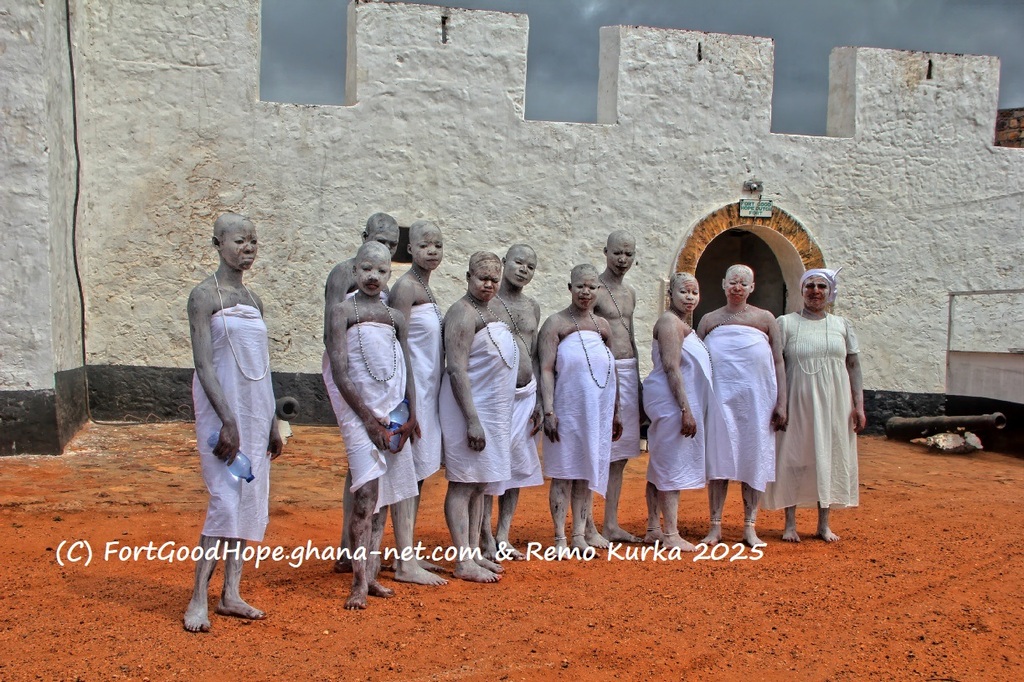
Fort Good Hope, front (c) Remo Kurka
Senya Castle is now a historical attraction and cultural heritage site, offering visitors a glimpse into Ghana’s 17th-century colonial past. Highlights include:
Exploring the walls and interior chambers of the fort
Learning about the Dutch presence and trans-Atlantic trade in Ghana
Enjoying views of the Atlantic coastline and the surrounding fishing villages
The nearby town of Senya Beraku offers additional insights into Fante culture, local crafts, and traditional fishing life, making your visit both educational and immersive.
Historical Importance: A reminder of Dutch trade and military strategy on Ghana’s Central Coast.
Cultural Insights: Explore the interplay between European traders and local communities.
Scenic Location: Beautiful coastal views perfect for photography.
Heritage Experience: Learn about Ghana’s early colonial forts beyond the major castles.
Location: Senya Beraku, Central Region, Ghana
Best Time to Visit: Dry season (November to March) for comfortable weather and clearer views
Tips: Pair your visit with other nearby forts and castles for a full historical tour of the Central Coast.
Fort Good Hope, or Senya Castle, may not be as famous as some of Ghana’s larger forts, but it remains a crucial piece of the Gold Coast’s colonial puzzle. Its historical, cultural, and architectural significance make it a must-see for history buffs, travelers, and those interested in the legacies of European-African trade and diplomacy.
Visiting Fort Good Hope allows you to step back in time, appreciate the strategic importance of smaller forts, and understand the interwoven history of local communities and European powers on Ghana’s Central Coast.
