
Ghanas Inspiring History Unveiled
Discover Ghanas rich history, from ancient kingdoms to modern democracy, through vibrant festivals, stunning…
Ghana-Net.com · Regions & Cities
Ghana has sixteen regions and sixteen regional capitals — and the two most searched cities in the country are not capitals at all. Here is all of it in one place, with an honest word on each: what it is, what it is not, and whether it is worth your time.
Six of these were created in 2019, when a referendum split four of the old regions into ten. That is why you will still find guidebooks, maps and even government documents referring to ten regions and to a Brong Ahafo Region that no longer exists. Listed alphabetically, with the region each one heads.
Being a regional capital is an administrative fact, not a measure of size or interest. Tema and Obuasi are both bigger and more searched than most of the capitals above. Elmina holds the oldest European building in sub-Saharan Africa and is not even a district capital. Axim, Winneba, Keta, Hohoe, Tarkwa, Salaga, Ashaiman, Nkawkaw and Kintampo are all missing from any list built on the sixteen regions — which is exactly why we keep them on their own page.
Most first-time itineraries make the same mistake: base yourself in Accra and take day trips out. Ghana runs roughly 670 km top to bottom, and the traffic getting in and out of Accra will eat your holiday. Move, and sleep where you are going.
Accra → Cape Coast → Elmina → Takoradi → Axim. The heritage route, and the one most diaspora visitors come for. Kakum fits neatly between Cape Coast and Takoradi.
Accra → Koforidua → Akosombo → Ho → Hohoe. Waterfalls, the Volta and the greenest part of the country. Better in the wet season, unlike almost everywhere else.
Kumasi → Techiman → Boabeng-Fiema → Kintampo. Palaces, kente, the first Akan state, and the monkeys that are given funerals.
Tamale → Damongo & Mole → Wa → Bolgatanga → Nalerigu. Elephants, mud mosques, hippos and the escarpment. Dry season only, realistically.
One honest warning. Distances on a Ghanaian map lie. A 150 km stretch can take four hours, and a road that was excellent last year may not be this year. Ask locally rather than trusting a mapping app, and never plan to arrive somewhere unfamiliar after dark.
Accra is Ghana’s bustling capital and largest city. It serves as the political, economic, and cultural center of the country. Home to Accra International Airport, government institutions, embassies, universities, and corporate headquarters, Accra blends colonial-era architecture with modern infrastructure.
Key attractions include:
Independence Square
Kwame Nkrumah Mausoleum
Jamestown and Ussher Fort
Osu Castle
Labadi Beach
Accra is also known for its vibrant arts scene, nightlife, and growing tech/start-up ecosystem.
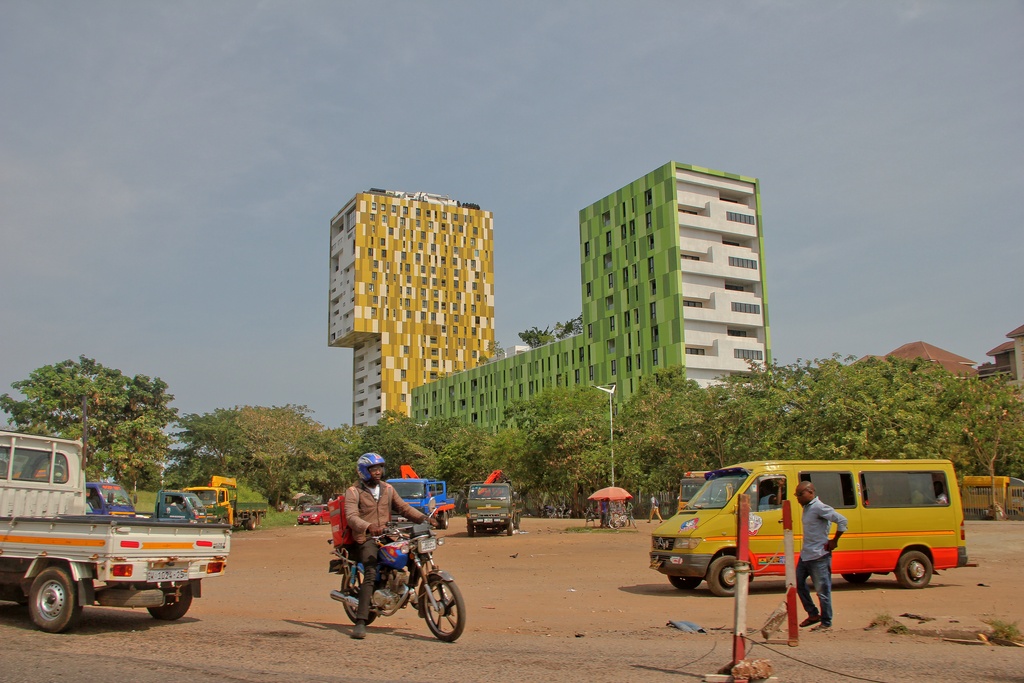
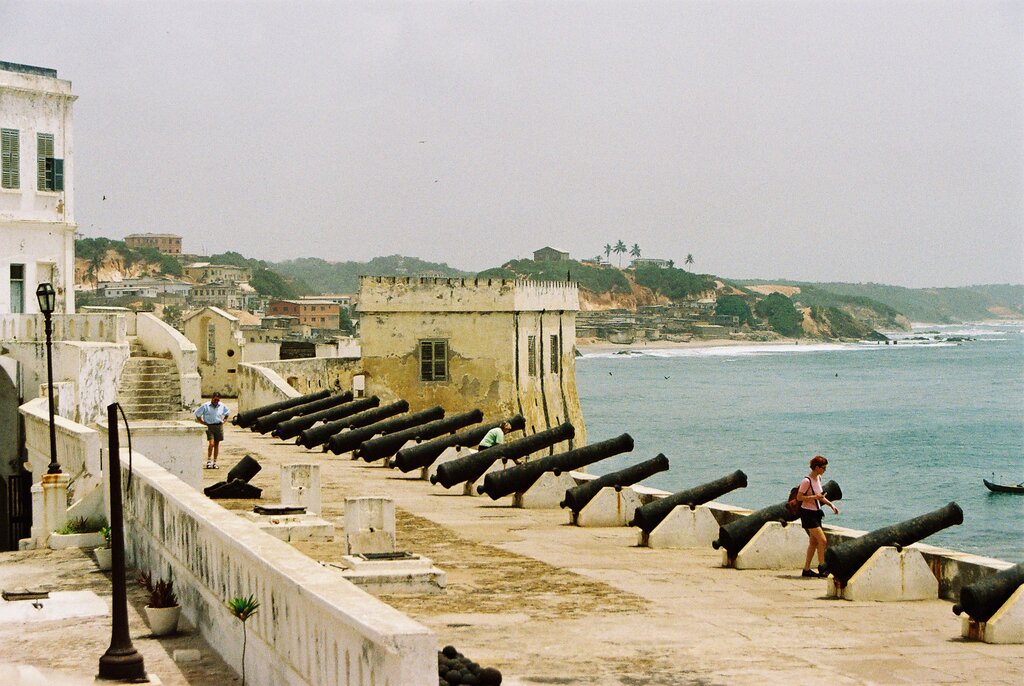
Cape Coast, Castle (c) Strictly by Remo Kurka
Takoradi is part of the Twin-City metropolis with Sekondi. It is an important port and industrial hub, known for oil, gas, and mining activities. It was the first city in Ghana to have a modern harbor (Takoradi Harbour), playing a crucial role in exports.
Culturally, it’s famous for:
Ankos Festival (Fancy Dress Festival) during Christmas
Fort Orange
Beautiful beaches and a relaxed coastal vibe
Takoradi is also a gateway to tourist destinations like Fort Apollonia and Nzulezu stilt village.
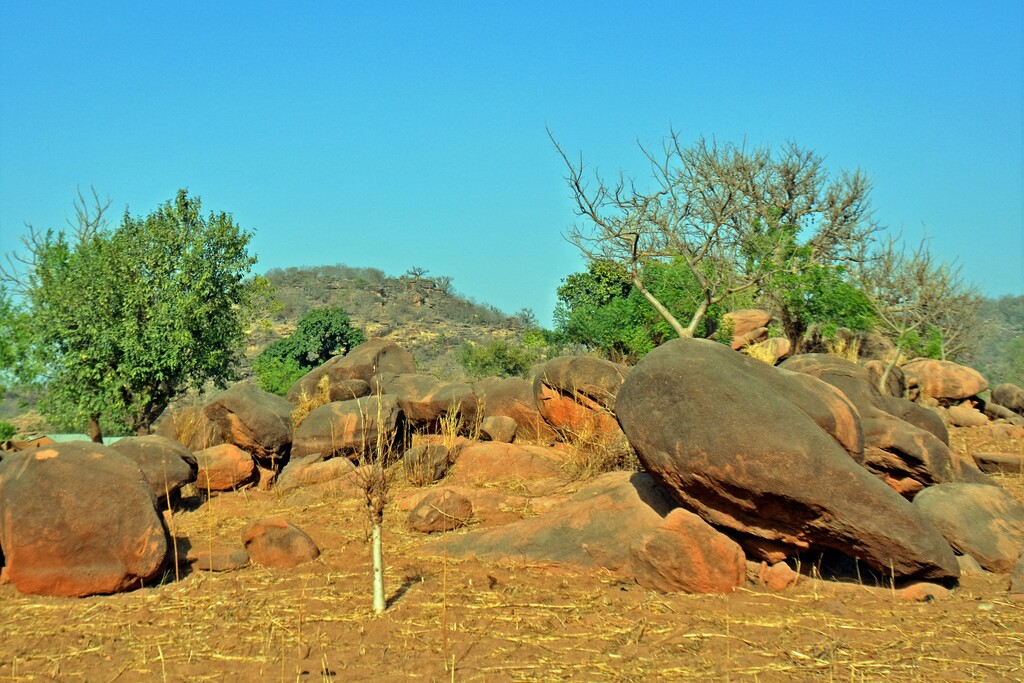
Bongo district, Upper East, Rocks (c) Strictly by Remo Kurka
Kumasi is the historical capital of the Ashanti Kingdom, one of Africa’s oldest and most influential traditional states. Known as “The Garden City” due to its lush vegetation, it is a center for culture, commerce, and tradition.
Highlights include:
Manhyia Palace (home of the Asantehene)
Kejetia Market – one of West Africa’s largest open-air markets
Prempeh Museum
Kumasi Fort and Military Museum
Kumasi also leads in artisanal gold, kente weaving, wood carving, and Ghana’s cocoa trade.
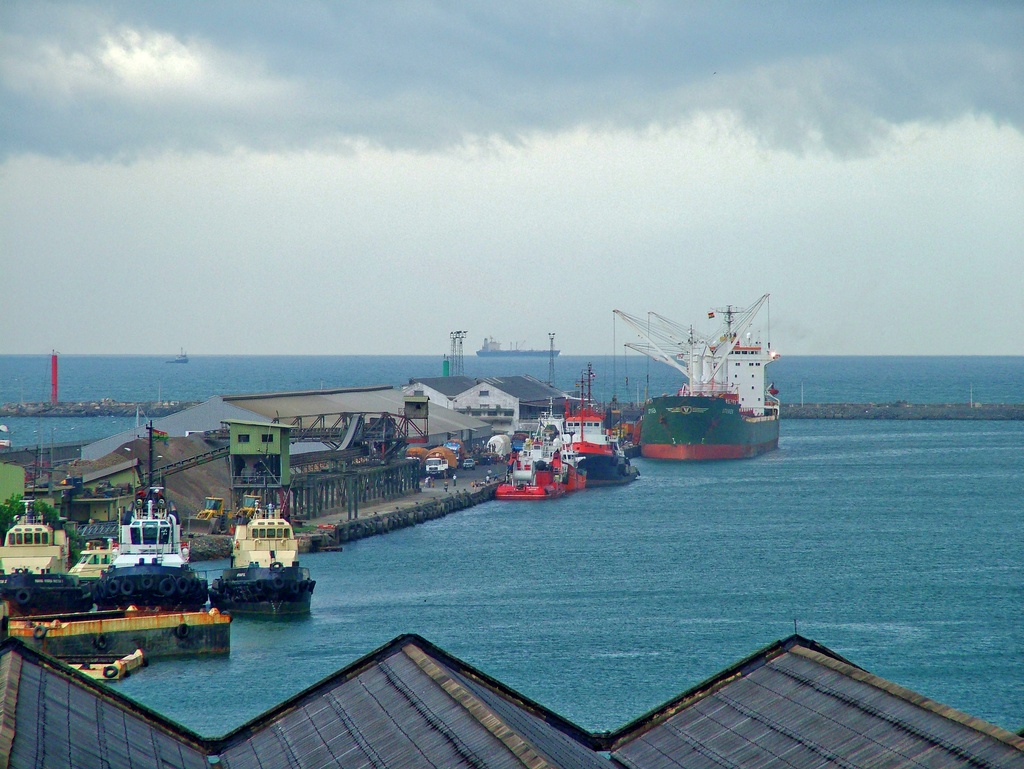
Takoradi, Habour (Western region of Ghana (c) Strictly by Remo Kurka
Tamale is Ghana’s fastest-growing city and a key urban center in the northern savannah belt. It has a predominantly Muslim population, reflected in its architecture, dress, and cuisine.
Notable features:
Modern Islamic architecture (including the Central Mosque)
Cultural Center for Northern crafts
Tamale Sports Stadium
Proximity to Mole National Park and traditional Gonja/Dagbani communities
Tamale serves as a political and economic hub for the northern regions and is known for its community spirit and hospitality.