
Ghanas Inspiring History Unveiled
Discover Ghanas rich history, from ancient kingdoms to modern democracy, through vibrant festivals, stunning…
Welcome to Ghana-Net.com
Akwaaba!
Twi (Akan) · “Welcome”
Search our Network. Start here.
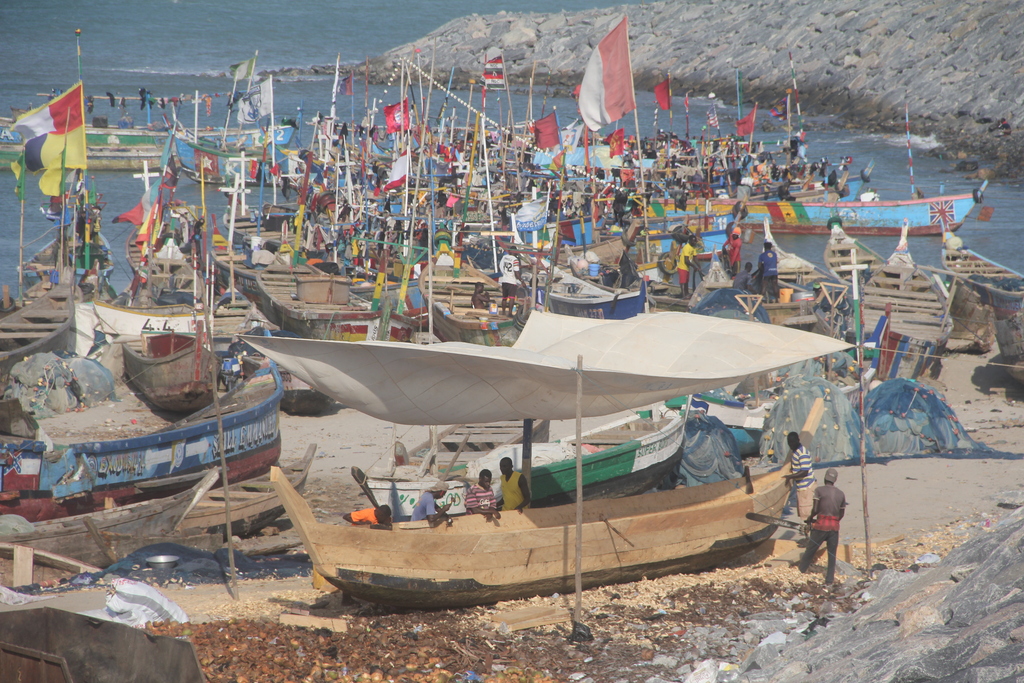
Cape Coast building of new fishing boats, near Cape Coast Castle
"A country's heritage is not only found in old buildings and precious objects. It lives in the memories, traditions and stories that connect generations."
— Remo Kurka
Every country has places that help explain where it came from.
In Ghana, history is not confined to books or displayed only behind museum glass. It can be found in ancient traditions, royal ceremonies, coastal fortresses, historic towns, traditional crafts and the stories shared by communities throughout the country.
For visitors, exploring Ghana’s heritage offers an opportunity to see beyond the landscapes and attractions. It reveals the experiences that shaped the nation — the kingdoms that rose, the cultures that developed, the challenges that were overcome and the traditions that continue today.
Ghana’s heritage is especially remarkable because it combines many different chapters of human history.
It includes ancient African kingdoms, centuries of international trade, the painful legacy of the trans-Atlantic slave trade, colonial encounters, the struggle for independence and the continuing creativity of Ghana’s people.
From the castles of the Atlantic coast to the royal traditions of Kumasi and the cultural communities of the north, Ghana’s heritage tells the story of a country that remembers its past while confidently building its future.
When many people think of heritage, they imagine old buildings, monuments or museum collections.
Ghana’s heritage is much broader.
It includes:
These traditions have survived because they continue to have meaning.
A museum can preserve an object, but a community keeps a tradition alive.
A palace can display the history of a kingdom, but a chief’s ceremony shows that history continuing into the present.
This connection between the past and the present is one of Ghana’s greatest cultural strengths.
Along Ghana’s Atlantic coastline stand some of the most significant historical buildings in Africa.
The forts and castles built by European powers were originally created for trade. They later became deeply connected with the history of the trans-Atlantic slave trade.
Today, these sites are places of remembrance, education and reflection.
They tell a complex story of global connections, commerce, suffering and resilience.
For visitors, walking through these buildings is a powerful experience because the walls preserve memories from centuries of history.
Located on Ghana’s Central Coast, Cape Coast Castle is one of the country’s most important historical landmarks.
Originally built by European traders, the castle changed purpose over time as coastal trade developed.
Its most painful chapter came during the era of the trans-Atlantic slave trade, when enslaved Africans were held there before being transported across the Atlantic.
Today, Cape Coast Castle serves as a museum and memorial.
Visitors can learn about:
The castle is not simply a reminder of suffering. It is also a place that honours survival, resilience and the continuing connections between Ghana and people of African descent around the world.
Further west along the coast stands Elmina Castle.
Built by the Portuguese in 1482, it is one of the oldest surviving European structures south of the Sahara.
Originally established as a trading centre, Elmina became one of the most important European settlements on the West African coast.
Its history reflects many centuries of interaction between Africa and Europe — including trade, religion, politics and the tragic consequences of slavery.
Today, Elmina Castle provides visitors with an opportunity to understand Ghana’s role in world history and the importance of remembering difficult chapters of the past.
Cape Coast and Elmina are the most famous, but they are part of a much larger network of coastal forts.
Hundreds of years ago, European powers built trading posts and defensive structures along Ghana’s coastline.
These included:
Together, these sites form one of the most important historical coastal landscapes in Africa.
They represent centuries of contact between Ghana and the wider world.
Ghana’s heritage is not only found along the coast.
Deep inland, especially in the Ashanti Region, royal traditions preserve the memory of powerful kingdoms that existed long before modern Ghana.
Traditional leadership remains an important part of Ghanaian society.
Chiefs and kings continue to serve as custodians of culture, history and community identity.
Among the most important examples of royal heritage is the Asante Kingdom.
In Kumasi, the cultural capital of the Ashanti people, Manhyia Palace Museum provides visitors with insight into one of Africa’s most influential traditional states.
The museum is located in the former residence of Asante kings and preserves important aspects of royal history.
Visitors can learn about:
The Asante Kingdom developed a sophisticated political system, strong trade networks and a rich artistic tradition.
Today, the continuation of Asante traditions demonstrates how Ghana’s heritage remains part of everyday life.
The traditional buildings of the Asante people are among Ghana’s most important cultural treasures.
These structures reflect:
The remaining examples of Asante traditional architecture are recognised internationally for their cultural importance.
They demonstrate how buildings can preserve not only physical history but also the values and worldview of the people who created them.
While historic sites preserve Ghana’s story in their original locations, museums bring together objects, memories and knowledge from across the country.
Museums help visitors understand how Ghana developed from ancient societies into the modern nation it is today.
Located in Accra, the National Museum of Ghana is one of the country’s most important cultural institutions.
Opened in 1957, the year of independence, it was created to preserve Ghana’s archaeological, historical and cultural heritage.
The museum contains collections relating to:
It provides an excellent introduction to Ghana’s diverse cultures and the many communities that have shaped the country.
The Kwame Nkrumah Memorial Park honours Ghana’s first Prime Minister and President, Kwame Nkrumah.
The site reflects one of the most important moments in Ghana’s history: independence in 1957.
Visitors can explore:
The park connects directly with Ghana’s journey from colonial rule to becoming an independent nation.
The W. E. B. Du Bois Memorial Centre for Pan African Culture reflects Ghana’s role in the wider African independence movement and Pan-Africanism.
W.E.B. Du Bois, an influential African-American scholar and activist, spent his final years in Ghana.
The centre explores themes including:
It highlights Ghana’s historic role as a meeting place for people working towards African liberation and cooperation.
Some of Ghana’s most important heritage cannot be placed inside a museum.
It exists in communities.
It can be found in:
This living heritage is one of the reasons Ghana feels so connected to its past.
Ghana is internationally recognised for its artistic traditions.
Kente weaving is one of the country’s most famous cultural expressions.
Originally associated with royalty, kente has become a symbol of Ghanaian identity around the world.
Adinkra symbols also carry deep meanings. These visual symbols represent concepts such as wisdom, strength, unity and resilience.
Traditional crafts continue in communities throughout Ghana, connecting modern generations with centuries of creativity.
Every region of Ghana has its own heritage stories.
In the Central Region, visitors discover coastal castles and historic towns.
In Ashanti Region, they experience royal traditions and craftsmanship.
In the Volta Region, they encounter unique cultural traditions and landscapes.
In Northern Ghana, they discover ancient kingdoms, traditional architecture and communities with deep historical roots.
This is why exploring Ghana’s heritage often means exploring the country itself.
Visitors often remember Ghana for its beaches, wildlife, food and hospitality.
But heritage reveals something deeper.
It explains why festivals remain important.
It explains why traditional leaders continue to hold respect.
It explains why craftsmanship, music and storytelling remain central to Ghanaian identity.
The country’s heritage is not simply a collection of old places.
It is the story of people who preserved their traditions through centuries of change.
To understand Ghana’s heritage is to understand the values that continue to shape Ghana today.
Ghana’s heritage is a bridge between generations.
It connects ancient kingdoms with modern cities, traditional knowledge with new ideas, and historical memories with the hopes of the future.
The castles along the coast, the museums of Accra, the royal traditions of Kumasi and the crafts created in communities throughout the country all tell different chapters of the same story.
A visit to Ghana becomes more meaningful when these stories are understood.
Look beyond the buildings.
Listen to the people.
Learn the traditions.
Because Ghana’s greatest heritage is not only what has been preserved — it is what continues to live.
Part of the Ghana-Net Knowledge Series — helping visitors discover, understand and explore Ghana since December 2000.