
Ghanas Inspiring History Unveiled
Discover Ghanas rich history, from ancient kingdoms to modern democracy, through vibrant festivals, stunning…
Welcome to Ghana-Net.com
Akwaaba!
Twi (Akan) · “Welcome”
Search our Network. Start here.
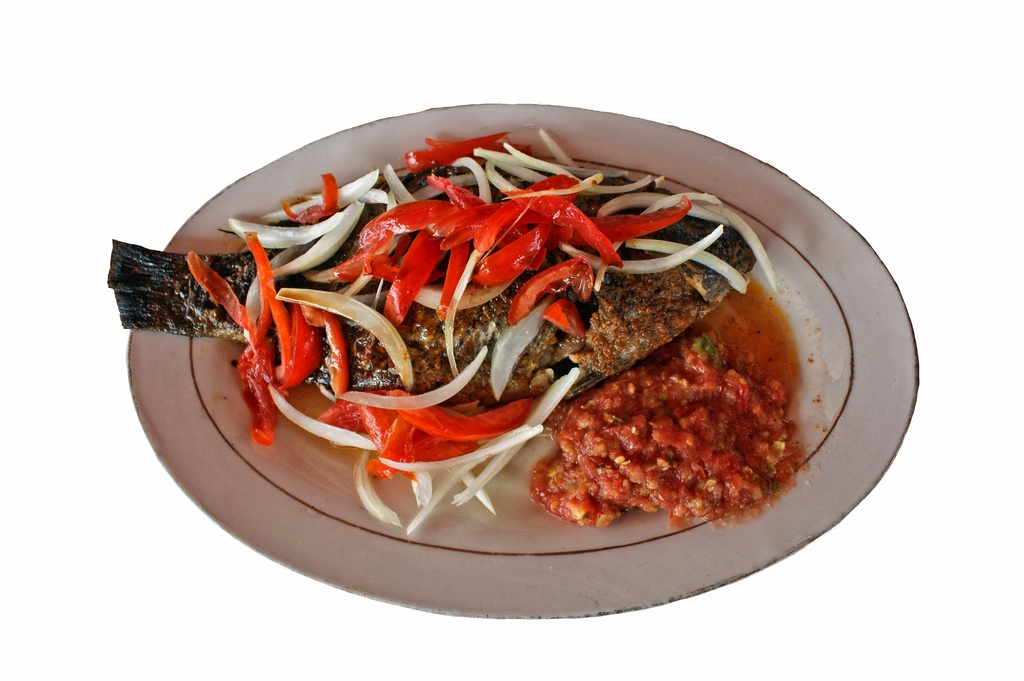
Tilapia and Hot pepper Sauce, onions and pepper
"Food is one of the greatest ways to understand a country. In Ghana, every meal carries the flavours of the land, the creativity of its people and the traditions passed from one generation to another."
— Remo Kurka
Food is one of the first connections visitors make with a new country.
A landscape can be admired, a monument can be photographed, but a meal creates a personal experience. It brings people together, opens conversations and reveals something about the history and culture of a place.
In Ghana, food is much more than something served on a plate.
It is a reflection of the country's geography, traditions and communities.
The forests of southern Ghana provide plantains, cassava, cocoyam and palm products. The coastline provides fresh fish and seafood. The northern savannah produces grains, vegetables and livestock that have shaped local cooking traditions for centuries.
Across the country, different communities have developed their own specialities, methods and flavours.
Yet Ghanaian cuisine also has something that connects everyone.
Food is about sharing.
A family meal, a festival celebration, a roadside food stall or a welcoming invitation to eat with local people all reflect one of Ghana's most valued traditions: hospitality.
For visitors, exploring Ghana through its cuisine offers a journey into the heart of the country.
In Ghana, offering food is often an expression of friendship and respect.
Visitors are frequently welcomed with a meal, a drink or an invitation to sit down and share what is available.
Food connects generations.
Grandparents pass recipes to children. Families gather around traditional dishes. Communities prepare meals together during festivals, weddings, funerals and important celebrations.
A meal is rarely only about eating.
It is a moment to talk, laugh, remember and strengthen relationships.
This tradition of sharing is one reason why many visitors remember Ghanaian food experiences as much as the dishes themselves.
Ghana's food culture is closely connected to its landscapes.
The country can be divided into several broad food regions, each influenced by its environment.
In the coastal areas, fishing communities have developed dishes centred around fresh fish, seafood and maize-based foods.
In the forest regions, staples such as plantain, cassava, cocoyam and palm products dominate.
In northern Ghana, grains such as millet and sorghum have traditionally played an important role, together with livestock and vegetables suited to the savannah environment.
Modern Ghana brings all these traditions together.
In cities such as Accra and Kumasi, visitors can experience dishes from every region, often alongside new interpretations created by younger generations of chefs and food entrepreneurs.
Although Ghanaian cuisine is wonderfully diverse, many dishes are built around a few important ingredients.
These ingredients have supported communities for generations and continue to define everyday cooking.
Cassava is one of Ghana's most important crops.
It is used in many forms, including:
Plantain is another essential ingredient, especially in southern Ghana.
It can be:
Yam is especially important in many communities and is celebrated during harvest festivals.
Maize is central to many Ghanaian dishes.
It is used to prepare:
Rice has also become an important part of Ghanaian cooking, appearing in both traditional and modern dishes.
Northern Ghanaian cuisine relies heavily on grains such as millet and sorghum, reflecting the agricultural traditions of the region.
Ghanaian food is known for strong, fresh flavours.
Common ingredients include:
The famous Ghanaian pepper sauce, often served alongside meals, reflects the country's love of bold flavours.
Many Ghanaian meals are built around soups and stews.
Rather than being served as a separate course, they are often eaten together with a staple food such as fufu, banku, rice or yam.
These dishes represent one of the defining characteristics of Ghanaian cuisine: food designed to be shared.
Groundnut soup is one of Ghana's most famous traditional dishes.
Made with peanuts, tomatoes, spices and often meat or fish, it has a rich and comforting flavour.
It is commonly served with fufu, rice balls or other staples.
Palm nut soup reflects the importance of palm trees in Ghanaian cooking.
The rich sauce is prepared from palm fruit and combined with spices, meat or fish.
It is a traditional favourite across many communities.
Light soup is especially popular with fufu.
It is a lighter, spicy soup often prepared with tomatoes, peppers and fish or meat.
Many visitors discover it as one of their first introductions to Ghanaian cuisine.
Made from cocoyam leaves, kontomire stew is a nutritious dish often prepared with fish, eggs or meat.
It demonstrates how Ghanaian cooking makes creative use of local plants and ingredients.
Few dishes represent Ghana internationally as much as fufu.
Traditionally prepared by pounding boiled cassava and plantain or yam together, fufu has a smooth, soft texture and is usually eaten with soup.
The traditional preparation process itself is part of the cultural experience.
The sound of the wooden mortar and pestle, often with two people working together, is familiar in many Ghanaian communities.
Fufu is not simply a meal.
It represents tradition, family and connection.
Eating fufu is often a social experience, shared around a table with others.
Maize-based dishes are among the most important foods in Ghana.
Banku is made from fermented maize and cassava dough.
It is especially popular in coastal and southern Ghana and is commonly served with:
Its slightly fermented flavour gives it a distinctive character.
Kenkey is another famous Ghanaian maize dish.
Prepared from fermented maize dough and traditionally wrapped in leaves, kenkey has deep connections with coastal communities, especially the Ga and Fante peoples.
It is often served with:
Both banku and kenkey demonstrate the importance of fermentation in Ghanaian food traditions.
Rice has become one of Ghana's most popular everyday foods.
Jollof rice is one of Ghana's most famous dishes.
Prepared with rice, tomatoes, onions, spices and other ingredients, it is a favourite at:
Ghanaian jollof has developed its own identity and is proudly defended by many Ghanaians in the famous West African jollof debate.
More than a dish, jollof represents celebration and national pride.
Waakye combines rice and beans into one of Ghana's most loved meals.
Often served with several accompaniments, including:
Waakye is especially famous as a street food in Accra.
For many Ghanaians, a morning visit to a favourite waakye seller is part of everyday life.
Some of the most memorable food experiences in Ghana happen outside restaurants.
Street food is part of daily life.
Across markets, neighbourhoods and roadside stalls, visitors can discover affordable and delicious meals prepared fresh.
Popular street foods include:
Spicy fried plantain seasoned with ginger, pepper and spices.
Kelewele is one of Ghana's best-known snacks and is especially popular in the evenings.
Known locally as chichinga, grilled meat skewers are a favourite snack.
They are often served with spicy seasoning.
A simple but beloved combination found throughout Ghana.
A sweet fried dough snack similar to a doughnut.
Often served with pepper sauce, fried yam is a popular street food.
Street food reveals an important part of Ghanaian life: food is accessible, social and connected to community.
Breakfast in Ghana can be both simple and satisfying.
Popular choices include:
Hausa koko, a spicy millet porridge, is particularly popular and reflects northern influences on Ghanaian food culture.
Breakfast stalls and small food sellers are an important part of morning life in Ghanaian towns and cities.
With hundreds of kilometres of Atlantic coastline, seafood plays an important role in Ghanaian cuisine.
Fishing communities have developed traditions built around the ocean.
Popular seafood includes:
Grilled fish served with spicy pepper sauce and a traditional accompaniment is a favourite experience for many visitors.
Places such as Cape Coast, Elmina and coastal communities near Accra offer opportunities to experience Ghana's connection with the sea.
Northern Ghana has its own distinctive cuisine shaped by the savannah environment.
Traditional dishes include:
Often called TZ, this is one of northern Ghana's best-known dishes.
It is commonly served with soups such as ayoyo soup.
Made from yam flour, wasawasa is a traditional northern dish.
A traditional fermented drink made from grains, especially popular in northern communities.
Northern cuisine reflects the history, agriculture and traditions of the region's peoples.
Ghana has a wide variety of traditional and modern beverages.
Popular drinks include:
A refreshing drink made from hibiscus flowers, often flavoured with ginger and spices.
Collected from palm trees, palm wine has been enjoyed for generations.
A fermented maize drink with a distinctive flavour.
A traditional millet-based drink associated with northern Ghana.
Fresh coconut water and locally produced fruit drinks are also popular, especially in coastal areas.
Food is closely connected with Ghana's festivals and ceremonies.
During celebrations, communities prepare special meals that bring people together.
Festivals often include:
From harvest celebrations to royal festivals, food remains an important expression of identity.
Ghanaian cuisine continues to evolve.
In cities such as Accra and Kumasi, traditional dishes exist alongside modern restaurants, international influences and creative new interpretations.
Young Ghanaian chefs are introducing local ingredients to new audiences while preserving traditional flavours.
The Ghanaian diaspora has also helped spread dishes such as jollof, fufu and waakye around the world.
Yet despite these changes, the foundation remains the same:
Food connects people.
For visitors, exploring Ghanaian cuisine is one of the most rewarding parts of travelling through the country.
Try local dishes.
Visit markets.
Eat where locals eat.
Ask questions.
Accept invitations to share a meal.
Some dishes may be unfamiliar at first, but food is one of the best ways to understand another culture.
Ghanaian meals are often generous, colourful and full of flavour.
A country's cuisine reveals much about its people.
Ghanaian food tells stories of migration, geography, agriculture, trade and tradition.
It shows how communities adapted local ingredients into dishes that have survived for generations.
It reflects the importance of hospitality and sharing.
A bowl of fufu, a plate of jollof rice or freshly grilled fish by the coast is not only food.
It is part of Ghana's identity.
To understand Ghanaian cuisine is to understand the people who created it.
Food is one of the most powerful ways to experience a country.
In Ghana, every meal carries a story.
The ingredients reflect the land.
The recipes reflect generations of knowledge.
The act of sharing reflects the warmth and hospitality of Ghanaian society.
From traditional dishes prepared in family homes to modern restaurants introducing Ghanaian flavours to the world, the country's cuisine continues to grow while remaining deeply connected to its roots.
When visiting Ghana, do not only look at the landscapes.
Taste them.
Share a meal.
Visit a market.
Listen to the stories behind the dishes.
Because Ghana's food is not simply something to eat.
It is a journey through the history, culture and heart of the nation.
Part of the Ghana-Net Knowledge Series — helping visitors discover, understand and explore Ghana since December 2000.