Where Monkeys Are Neighbors: A Story from Buabeng-Fiema Monkey Sanctuary
In the heart of Ghana’s Bono East Region lies a place where the forest whispers old promises and monkeys roam like respected elders. Buabeng-Fiema Monkey Sanctuary is not a zoo, not a park with cages, but a living agreement between people and nature—one that has endured for generations.
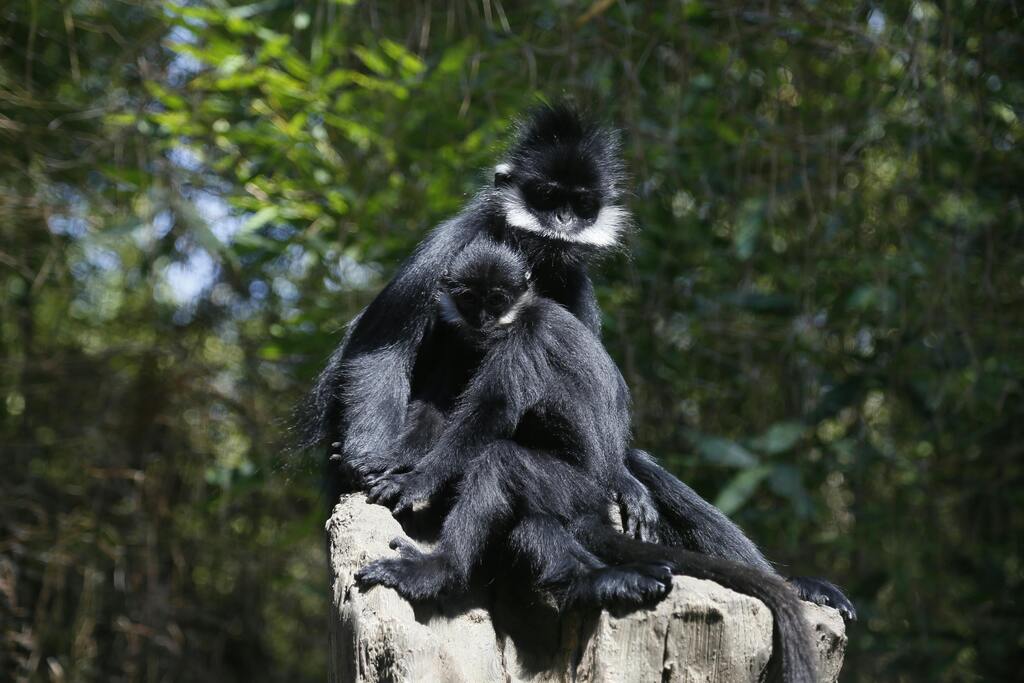
Black-and-White Colobus
A Sanctuary Built on Belief
Long before “eco-tourism” became a word, the twin villages of Buabeng and Fiema believed the monkeys in their forest were sacred. The black-and-white colobus and the Lowe’s mona monkeys were seen as messengers of the gods, protected by taboos and tradition. Harming one was unthinkable. When a monkey died naturally, it was buried with rites usually reserved for humans.
These beliefs became a shield. While forests elsewhere fell to logging and hunting, Buabeng-Fiema’s trees stood, and the monkeys thrived. Today, that ancient respect has evolved into a modern conservation success story—one where culture, wildlife, and community stand side by side.
Walking Among the Monkeys
A visit to the sanctuary feels less like sightseeing and more like being welcomed into a shared home. As you follow a local guide beneath towering trees, branches rustle overhead. A mona monkey pauses to watch you pass; a colobus leaps effortlessly across the canopy, its long white tail flowing like a banner.
The monkeys are wild—but unafraid. They have grown up seeing humans as neighbors, not threats. Guides tell stories as you walk: how the sanctuary began, how children grow up knowing the monkeys by sight, and how tourism now supports schools and livelihoods.
There are no fences, no feeding platforms, no staged performances—just a forest alive with trust.
Buabeng-Fiema Monkey Sanctuary
Located in the Bono East Region of Ghana, the Buabeng-Fiema Monkey Sanctuary is a community-managed forest reserve that reflects a unique blend of wildlife conservation and traditional reverence for nature. The sanctuary spans across the twin communities of Buabeng and Fiema, and is home to two main species of monkeys: the Black-and-White Colobus and the Mona monkeys.
What makes this sanctuary stand out is the deep spiritual connection the local people have with the monkeys. These animals are considered sacred, and killing or harming them is strictly forbidden. This traditional belief has effectively safeguarded the primates for generations, creating a safe haven within the forest where they roam freely and interact comfortably with humans.
The sanctuary is not just a wildlife refuge; it is also a living example of how indigenous knowledge and customs can contribute meaningfully to conservation. Visitors to Buabeng-Fiema can walk through the serene forest trails, observe monkeys in their natural habitat, and learn about the cultural beliefs that protect them. The sanctuary also contributes to local livelihoods through eco-tourism and guides provided by the community.
Why Buabeng-Fiema Matters
Buabeng-Fiema is more than a beautiful destination. It is proof that traditional knowledge can protect biodiversity. The sanctuary preserves one of the few remaining habitats for these monkey species in the region and offers a powerful lesson: conservation works best when local people lead it.
How to Get to Buabeng-Fiema from Accra
By Road (Most Common Option)
Accra → Kumasi
Take a bus or drive from Accra to Kumasi (about 4–5 hours). Major bus stations like Kejetia receive frequent services from Accra.Kumasi → Nkoranza
From Kumasi, continue by bus or car to Nkoranza (around 2 hours).Nkoranza → Buabeng-Fiema
From Nkoranza, it’s a shorter drive (about 30–45 minutes) to the sanctuary. Local taxis or motorbikes can take you directly to the villages.
By Private Car
Driving yourself from Accra takes roughly 7–8 hours, depending on traffic and road conditions. A private car gives you flexibility, especially for the final stretch where public transport may be limited.
Best Time to Visit
Early morning or late afternoon is ideal—cooler temperatures and more monkey activity.
The dry season (November–March) offers easier walking trails, though the forest is beautiful year-round.
A Quiet Promise Kept
As you leave Buabeng-Fiema, the forest closes behind you, and the monkeys return to their treetop conversations. What stays with you is not just the photographs, but the feeling that you’ve witnessed something rare—a place where humans chose coexistence, and nature answered by staying.
Buabeng-Fiema doesn’t shout its importance. It simply lives it.
🇬🇭 Ghana3d.com Gateway Experience 360
Find your roots and rise — Ghana3d.com Gateway Experience 360 is your ultimate guide to cultural, historic, and soul-stirring adventures. Whether you're returning to your ancestral land or exploring Ghana for the first time, we offer curated journeys that connect you deeply to the spirit of West Africa. From powerful walks through Cape Coast & Elmina slave castles to the vibrant rhythms of Accra’s nightlife. From sacred village ceremonies to awe-inspiring natural beauty — your journey starts here.
- ✔ Instant Confirmation
- ✔ Free Cancellation
-
✔ Best Price Guarantee
You'll receive a full refund if you cancel at least 24 hours in advance of most experiences.
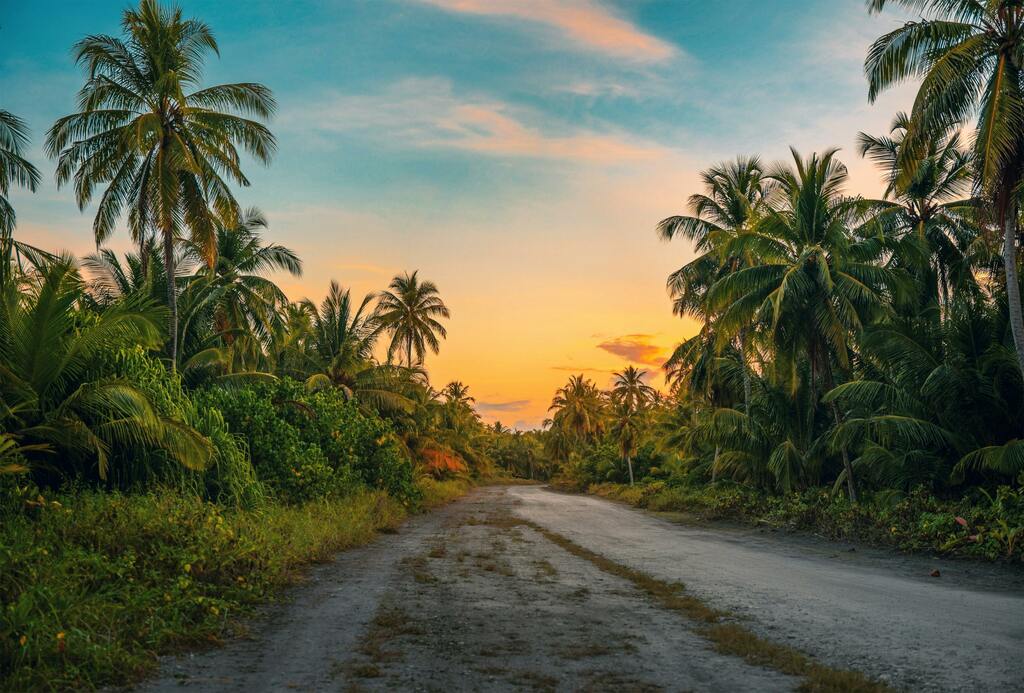
Tropical forest road, at sunset.