Adinkra is far more than decorative fabric—it is a visual language rich with history, philosophy, and cultural identity. As the only known African cloth printing tradition with pre-colonial origins, Adinkra holds a special place among the royal crafts of the Asante people in Ghana. Its production has long been centered around villages near Kumasi, especially Ntonso and the Asokwa district, where artisans continue to preserve this remarkable heritage.
According to Asante tradition, Adinkra cloth traces its origins to the early 19th century. In 1818, a defeated king named Adinkra was brought to Kumasi. He wore a patterned cloth symbolizing grief and resignation—an image so powerful that it inspired a new artistic tradition. From that moment on, Adinkra became closely associated with expression, emotion, and storytelling through symbols.
Creating Adinkra cloth is a meticulous, hands-on process. Artisans produce a rich black dye from the bark of local trees, then carve stamps from calabash (gourd) pieces. Each stamp carries a distinct symbol.
The cloth—traditionally handwoven, though often imported in modern times—is stretched flat on the ground. Using a comb-like tool, the artist carefully maps out a grid. One by one, each square is stamped with precision, the artisan reapplying dye before every impression. Some patterns repeat, while others alternate, forming a rhythmic visual composition. Older cloths were often stitched together with colorful threads, adding another layer of artistry.
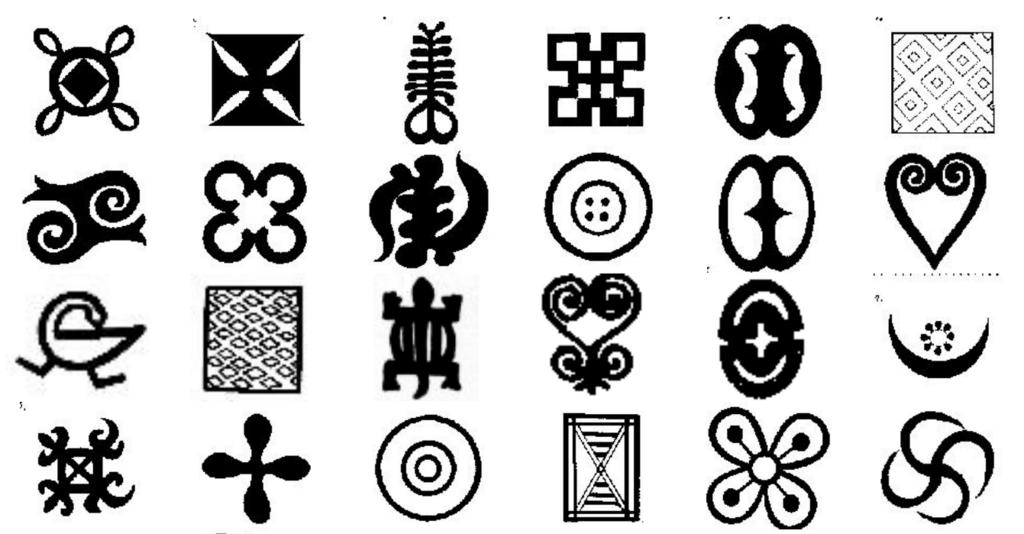
Its own language: Adinkra is one of the highly valued hand-printed and hand-embroidered cloths.
At the heart of Adinkra lies meaning. Each symbol is tied to a proverb, belief, or aspect of life in Asante culture. Proverbs themselves are deeply valued—they reflect wisdom, experience, and social values.
Yet Adinkra is not meant to be “read” like a sentence. Instead, its meaning is felt and understood through familiarity with the symbols and their cultural context. Some motifs reference nature, while others communicate ideas like strength, unity, patience, or leadership.
Color plays a vital role in conveying emotion and purpose. Traditionally:
While these meanings still hold cultural significance, today Adinkra is also appreciated more broadly as a vibrant and meaningful art form.
Adinkra continues to evolve while staying rooted in tradition. Its symbols appear not only on cloth but also in architecture, logos, jewelry, and art—both in Ghana and across the world, particularly in the United States.
More than just patterns, Adinkra symbols carry stories, values, and identity—making each piece of cloth a timeless expression of culture and meaning.
Other websites - Not shown within our main site-map:
Find your roots and rise — Ghana3d.com Gateway Experience 360 is your ultimate guide to cultural, historic, and soul-stirring adventures. Whether you're returning to your ancestral land or exploring Ghana for the first time, we offer curated journeys that connect you deeply to the spirit of West Africa. From powerful walks through Cape Coast & Elmina slave castles to the vibrant rhythms of Accra’s nightlife. From sacred village ceremonies to awe-inspiring natural beauty — your journey starts here.
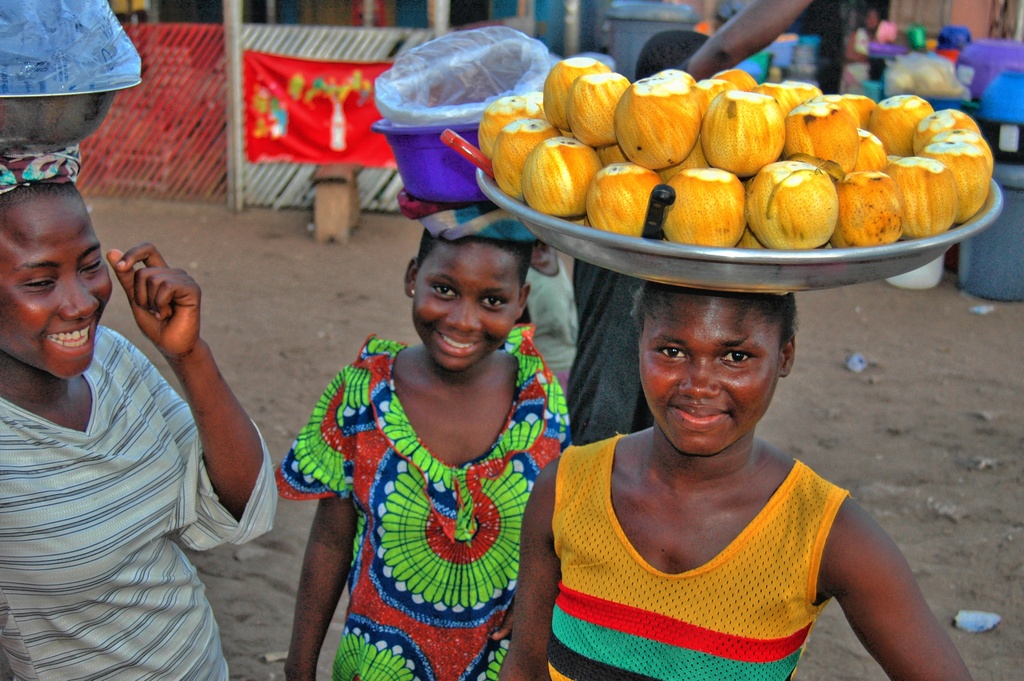
3 girls selling fruits and food at the road side. (c) Strictly by Remo Kurka (photography)
