
Ghanas Inspiring History Unveiled
Discover Ghanas rich history, from ancient kingdoms to modern democracy, through vibrant festivals, stunning…
When we think of the Atlantic slave trade, images of ships arriving at the Americas or imposing castles along the African coast come to mind. Yet few realize the staggering scale of human lives uprooted and the specific regions that fed this vast system. Over 12.5 million Africans were forcibly shipped across the Atlantic between the 16th and 19th centuries — and the stories of the ports and forts that facilitated this trade remain hauntingly vivid.
The Gold Coast, known today as Ghana, is often remembered for its iconic forts: Elmina Castle, Cape Coast Castle, and Fort William at Anomabu. These forts were more than military outposts; they were hubs of one of the most intense slave-trading networks in West Africa.
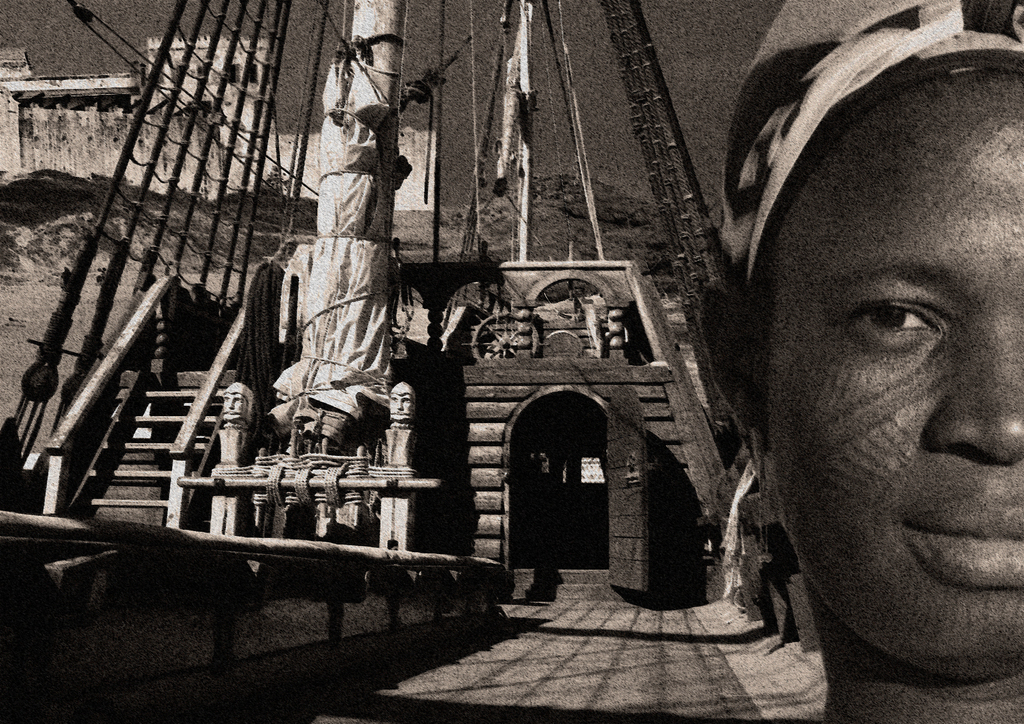
During the 1700s, Anomabu emerged as the busiest British slave port, outpacing even Cape Coast Castle in sheer volume. Historians estimate that between 1.2 and 1.5 million enslaved Africans passed through the Gold Coast over the course of the Atlantic trade. For its size, this was enormous. The concentration of forts along this relatively short coastline meant that European traders could coordinate shipments with chilling efficiency.
While the Gold Coast was a critical British hub, the larger Atlantic trade was dominated by other regions. West Central Africa — encompassing modern Angola, the Democratic Republic of Congo, and Gabon — exported roughly 5.7 million Africans, nearly half of the total trade. The Bight of Benin and Bight of Biafra together contributed another 3.6 million, feeding the sugar plantations of Brazil, the Caribbean, and North America.
This perspective reminds us that while Ghana’s forts loom large in memory and tourism today, the Atlantic slave trade was a sprawling, multi-regional system that touched nearly every corner of the West African coast.
Translating historical regions to today’s borders gives a clearer picture of the human cost:
The Gold Coast’s share might appear smaller in comparison, but its dense network of forts and strategic location made it a powerhouse for the British trade.
Numbers alone cannot convey the horror of the trade, but they do illuminate patterns often overlooked in traditional narratives. Ghana’s forts may dominate history books and tourist brochures, but the majority of enslaved Africans came from broader West and Central Africa. Recognizing this nuance is crucial for a balanced, realistic understanding of history.
Today, visitors walk through the corridors of Anamabo Fort, Elmina and Cape Coast castles, seeing engraved reminders of a past that reshaped continents. But beneath these walls lies the deeper story of a complex, far-reaching trade network, of millions of lives uprooted, and of the resilience of African societies despite unimaginable suffering.
Understanding the geography and scale of the trade does more than satisfy historical curiosity — it reconnects us to the human stories that shaped the modern world, and honors the memory of those whose lives were stolen.